
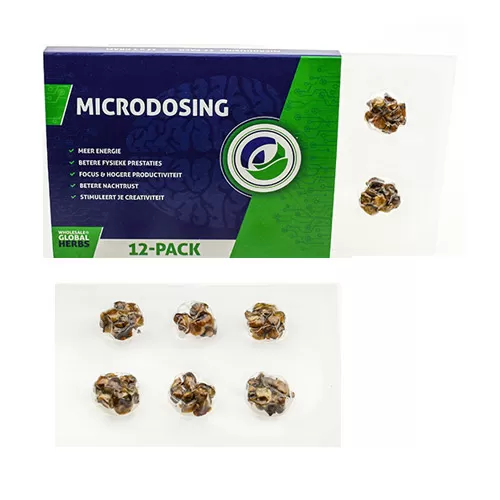
Magic Truffles / Psychedelic Microdosing 6 packs
$60.00
Related products
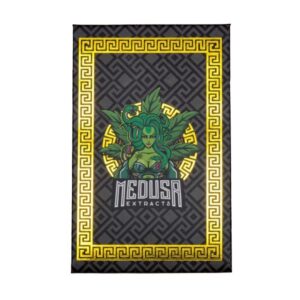
Cookies & Cream Shatter | Medusa Extracts
The flavours are woody, cherry, minty, sweet, and lemony. It’s best used for those dealing with insomnia, depression, stress, and anxiety. This favourite award-winning concentrate is a powerful addition to anyone’s smoke. Like a favourite sweet treat, it fills you with its inviting cookie-like flavours and penetrates your mind. Its long-enduring effects can be overwhelming to some users so experienced users would probably be best at handling this hit, despite being lower than other concentrates at around 28% THC.
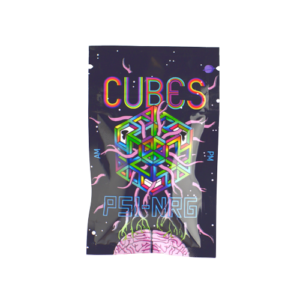
Cubes – Scooby Snacks Microdose Capsules (5x300mg)
Formulated with the guidance of clinical herbalists to insure synergy and effectiveness; Cube capsules provide a smooth, stimulating sense of vitality, promoting a feeing of euphoria. Take one capsule for a clean boost of energy and the uplift of your mood. On two capsules you’ll likely start feeling excited, social, euphoric and inspired. Three capsules or more provide the beginnings of a visual, psychedelic experience. Of course, tolerances and effects will vary, and your experience will be contingent on many factors. Best to start with one and go from there

Golden Teacher Spore Syringe (20cc)
he origin of this magic mushroom strain is not known, thus the name Golden Teacher comes from the admirable golden color of the caps and his so-called teaching capacities.
The first mushroom flush will produce medium sized mushrooms. In later flushes they might grow very large. It is a very robust mushroom with big, massive stems.
The Golden Teacher spores are available in a 10ML spore syringe.
(These spore syringes are sold for microscopy and taxonomy use only. They are not intended for cultivation purposes.)
Strain Origin: Unknown
Cap: 50+ mm in diameter, convex to broadly convex to plane at maturity. Reddish cinnamon brown maturing to golden brown to light yellow. Surface dry with pronounced and persistent remnants of universal veil on cap (spots). Flesh white soon bruising bluish green.
Stem: 125+ mm in length, yellowish. Flesh bruising bluish green where injured. Persistent membranous annulus (ring) from partial veil that becomes dusted with purple brown spores at maturity.
Gills: Attachment adnate to adnexed. Grayish coloration in young fruit bodies becoming nearly black in maturity.
Spores: Dark purplish brown, subellipsoid on 4-spored basidia

Golden Teachers Magic Mushrooms
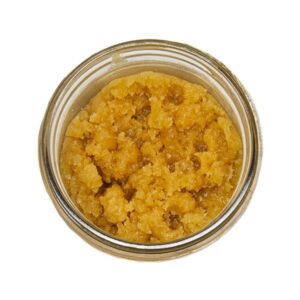
Live Resin – Durban Poison (Sativa) 1g
Durban Poison, a pure sativa strain, hails from the South African port city of Durban. It has earned a global reputation for its sweet aroma and invigorating, uplifting effects. This strain is ideal for enhancing productivity during a hectic day, for outdoor exploration, or to ignite a burst of creativity. Both cultivators and concentrate aficionados appreciate Durban Poison for its oversized resin glands, making it an excellent choice for concentrate extraction. The buds of this strain are round, hefty, and cover nearly all parts of the plant with a dense layer of trichomes.

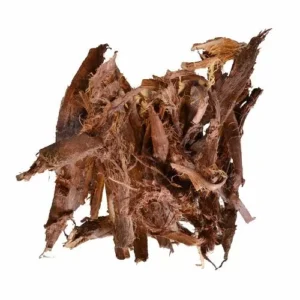
Mimosa hostilis – Inner root bark | Jurema Preta
Mimosa Hostilis Root Bark (MHRB) – Jurema Preta | Mimosa Tenuiflora
Sourced from the revered Mimosa hostilis tree—commonly known in Brazil as Jurema Preta, Black Jurema, or Vinho de Jurema—this inner root bark is treasured for its historical and cultural significance. Renowned among indigenous shamans, it is valued for its deep-rooted entheogenic legacy.
Sacred Origins & Medicinal Legacy
Native to the arid regions of northeastern Brazil, Mimosa hostilis (also known by its updated scientific name Mimosa tenuiflora) has been used for centuries in traditional medicine. The inner root bark—the most alkaloid-rich and potent part of the plant—is carefully harvested and prepared for a wide range of ethnobotanical and research uses.
Trusted by Tradition, Valued Worldwide
In the Western world, Mimosa hostilis root bark has gained popularity as a natural alternative to other revered plants such as Psychotria viridis and Chaliponga, especially in botanical and spiritual exploration communities. Its rich alkaloid profile and sustainable sourcing make it a respected botanical specimen around the globe.
Botanical Equivalence & Naming
While Mimosa hostilis remains a popular term, it is taxonomically identical to Mimosa tenuiflora—both names refer to the same plant species. In some regions, the bark is also known as Tepezcohuite, especially in Mexico, where it’s used in skin care and natural medicine for its soothing properties.
Our Commitment to Freshness & Quality
We import our Jurema Preta root bark directly from Brazil, ensuring it is sustainably sourced and harvested at peak potency. Fresh shipments arrive monthly, so you’re always receiving superior-quality root bark with maximum freshness and integrity.
Botanical Profile:
-
Family: Leguminosae / Mimosaceae
-
Genus: Mimosa
-
Species: hostilis, tenuiflora, verrucosa
-
Common Names: Jurema Preta, Jurema Branca, Caatinga Mimosa, Tepezcohuite, Calumbi, Carbonal, Cabrera, White Jurema, Black Jurema
Phytochemical Composition:
The inner root bark contains a wide spectrum of naturally occurring compounds, including:
Tannins, saponins, tryptamines, alkaloids, lipids, phytoindoles, xylose, phytosterols, glucosides, rhamnose, arabinose, methoxychalcones, lupeol, and kukulkanins.