3-MMC Powder Online – 3-Methylmethcathinone
$100.00
What Is 3 MMC Powder?
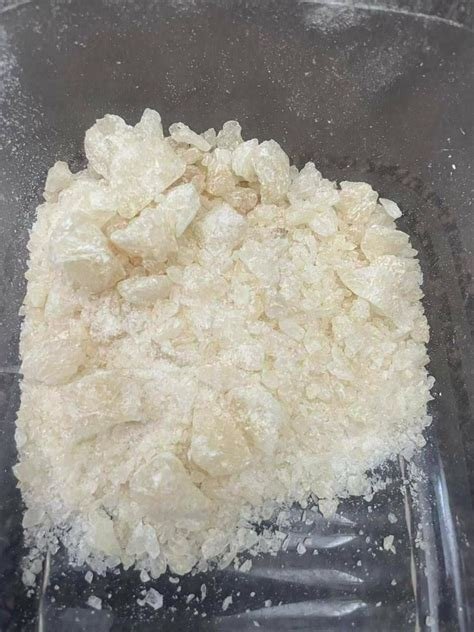
3-MMC powder, also known as 3-Methylmethcathinone, is a synthetic stimulant and research chemical often compared to other cathinones like 4-MMC. Popular for its crystalline form, 3-MMC powder is widely studied for its potential in research and chemical analysis.
What Is 3 MMC Used For?
This compound is typically used for research purposes, including:
Pharmacological studies
Behavioral experiments
Chemical structure analysis
Note: It’s crucial to ensure compliance with local regulations before purchasing or using 3-MMC powder.
Related products
Banisteriopsis caapi – Red, rojo 100g
Banisteriopsis Caapi Red Vine Powder – “The Vine of Souls”
Banisteriopsis caapi, often revered as the “Vine of Souls,” is a sacred plant native to the Amazon rainforest. This legendary vine is the primary ingredient in the ancient ceremonial brew known as Ayahuasca (also called Yagé or Yajé) and is also widely utilized in Changa blends.
Botanical Classification:
-
Family: Malpighiaceae
-
Genus: Banisteriopsis
-
Species: caapi, inebrians
Cultural & Ceremonial Significance
For centuries, indigenous communities throughout the Amazon Basin—and isolated regions of Colombia and Ecuador—have used Banisteriopsis caapi in spiritual rituals. This powerful forest liana is considered a conduit to the divine, used in ceremonies to access higher consciousness, healing, and connection to ancestral realms.
Traditional Preparation
Traditionally, segments of the vine are pounded and simmered with complementary plants like Psychotria viridis (Chacruna) or Diplopterys cabrerana (Chaliponga/Chagropanga) to prepare the Ayahuasca brew. In some cultures, cold water infusions of the vine alone are also used.
Our Red Caapi Vine Powder is finely milled for ease of botanical study and comes from ethically sourced, mature vines harvested with care and respect for the environment.
Bay bean 20 gram (Canavalia maritima)
Canavalia maritima (Laurel Bean) – 20g
Historically, the dried leaves of Canavalia maritima have been used as a relaxant in various ancient rituals. On the Gulf Coast of Mexico, these beans were traditionally consumed alongside other sacred herbs, highlighting their cultural significance.
Modes of Use:
A common traditional method involves preparing a tea from the leaves. To do this, dissolve 5 to 10 grams of dried leaves in hot water. For enhanced flavor and potential effects, it can be combined with other herbs such as tea leaves or chamomile.
Effects:
The experience is often described as pleasant, relaxing, and calming, with some users experiencing mild psychedelic sensations. Reports also mention potential aphrodisiac properties and feelings of euphoria, making it a notable herb in traditional practices.
Blue Meanie Magic Mushrooms
Cookies & Cream Shatter | Medusa Extracts
The flavours are woody, cherry, minty, sweet, and lemony. It’s best used for those dealing with insomnia, depression, stress, and anxiety. This favourite award-winning concentrate is a powerful addition to anyone’s smoke. Like a favourite sweet treat, it fills you with its inviting cookie-like flavours and penetrates your mind. Its long-enduring effects can be overwhelming to some users so experienced users would probably be best at handling this hit, despite being lower than other concentrates at around 28% THC.
Live Resin – Orange Creamsicle (Indica)
Mimosa hostilis – Inner root bark | Jurema Preta
Mimosa Hostilis Root Bark (MHRB) – Jurema Preta | Mimosa Tenuiflora
Sourced from the revered Mimosa hostilis tree—commonly known in Brazil as Jurema Preta, Black Jurema, or Vinho de Jurema—this inner root bark is treasured for its historical and cultural significance. Renowned among indigenous shamans, it is valued for its deep-rooted entheogenic legacy.
Sacred Origins & Medicinal Legacy
Native to the arid regions of northeastern Brazil, Mimosa hostilis (also known by its updated scientific name Mimosa tenuiflora) has been used for centuries in traditional medicine. The inner root bark—the most alkaloid-rich and potent part of the plant—is carefully harvested and prepared for a wide range of ethnobotanical and research uses.
Trusted by Tradition, Valued Worldwide
In the Western world, Mimosa hostilis root bark has gained popularity as a natural alternative to other revered plants such as Psychotria viridis and Chaliponga, especially in botanical and spiritual exploration communities. Its rich alkaloid profile and sustainable sourcing make it a respected botanical specimen around the globe.
Botanical Equivalence & Naming
While Mimosa hostilis remains a popular term, it is taxonomically identical to Mimosa tenuiflora—both names refer to the same plant species. In some regions, the bark is also known as Tepezcohuite, especially in Mexico, where it’s used in skin care and natural medicine for its soothing properties.
Our Commitment to Freshness & Quality
We import our Jurema Preta root bark directly from Brazil, ensuring it is sustainably sourced and harvested at peak potency. Fresh shipments arrive monthly, so you’re always receiving superior-quality root bark with maximum freshness and integrity.
Botanical Profile:
-
Family: Leguminosae / Mimosaceae
-
Genus: Mimosa
-
Species: hostilis, tenuiflora, verrucosa
-
Common Names: Jurema Preta, Jurema Branca, Caatinga Mimosa, Tepezcohuite, Calumbi, Carbonal, Cabrera, White Jurema, Black Jurema
Phytochemical Composition:
The inner root bark contains a wide spectrum of naturally occurring compounds, including:
Tannins, saponins, tryptamines, alkaloids, lipids, phytoindoles, xylose, phytosterols, glucosides, rhamnose, arabinose, methoxychalcones, lupeol, and kukulkanins.